Thursday, April 28, 2022

Super FamiComplete #113: Yokoyama Mitsuteru Sangokushi


Title: Yokoyama Mitsuteru Sangokushi (trans. Yokoyama Mitsuteru's version of the Romance of the Three Kingdoms)
Release: 06/26/1992
Developer: Tose
Publisher: Angel

Once again we have returned to the bane of this blog: a Japanese exclusive strategy rpg about either the Romance of the Three Kingdoms or the Sengoku period in Japan. This one is about the former: you can see a Zhuge Liang staring right at you with his telltale feather fan and Guan Yu with his beautiful beard right on the box. This will most likely be rather inscrutable.

Background
Yokoyama Mitsuteru was a manga artist who started work in the 1950s, making him one of those stalwarts of the manga industry and a contemporary of the greats such as Osamu Tezuka. He worked diligently in the industry up until his death in 2004, and was known for such works as Tetsujin-28-go a mecha manga, Sally the Witch and Princess Comet, some of the first "magical girl" manga, and most important for today's blog post, manga based on classic Chinese literature such as The Romance of the Three Kingdoms and Water Margins. 


While his work never reached international acclaim like Tezuka, he was a much loved manga author in Japan, winning a multitude of awards and with much of his work being adapted into anime, film, and as here, video games. This game is based on the manga of the same name, and is a retelling of the Romance of the Three Kingdoms. For those who don't remember read our earlier blog post on the Koei game of the same name, never played a Dynasty Warriors game, or aren't familiar with Chinese literature or literature, the Romance of the Three Kingdoms is considered one of the great classics of Chinese literature, written by Luo Guanzhong. The Romance of the Three Kingdoms tells the story of the dissolution of the Han Dynasty in China, one of the more powerful early dynasties that existed around the same time as the Roman Empire, and the resultant civil war that erupted between the Wu, Shu, and Wei kingdoms. 

The "three kingdoms" break down as follows: you have the Wu, led by the Sun family (of Sun Tzu fame), represented the old guard nobility steeped in family history and tradition (but ultimately ineffectual and callous to the common man and the welfare of China as a state), the Wei led by the despotic Cao Cao, represented military prowess, authoritarianism, and ruthlessness, and the Shu, led by the idealistic Lui Bei and his two sworn brothers, are often considered the "heroes" of this tale, representing the can-do attitude and gumption of the common man in the face of overwhelming odds. It is a much loved story both in China and the world abroad, and many of the people from this tale have been elevated into legends and folklore. 

Yokoyama Mitsuteru Sangokushi is Mitsuteru's retelling of the story in a way that is pretty comprehensive; all the various factions are represented, though the story gives special weight to the Shu and Wei factions. The "drama" of the period is especially heightened, and there is a romance subplot built upon between Liu Bei and a girl he saves during the Yellow Turban Rebellion (the inciting incident for this plot). The manga ran for an impressive 16 years and 60 volumes, which speaks for itself it terms of popularity. 


As far as developer we have the faithful workhorse, Tose, and the publisher is Angel (later absorbed into Bandai), whom we have seen a couple of times thus far in the blog publishing some other Japanese exclusive games. 

Gameplay

Now a quick proviso right up front: once again I do not speak Japanese nor read their written word and there is no working translation available for this game online, so this review will be rather short and making best guesses. 

Like Romance of the Three Kingdoms, the story has "scenarios" that you play through, which act as the set dressing for the game itself. Now you can play through this scenario in a whole multitude of different ways and don't need to follow the narrative of the story, but it is there to give context to the different factions. The first scenario starts at what is considered the "inciting incident" of the Three Kingdoms era, which is the Yellow Turban Rebellion. This was a populist and religious rebellion centered around a cult of mystics who wished to overthrow the Han Dynasty, and the noble families and many of the central heroes of the three kingdoms era cut their teeth on the during this revolt. In this scenario it looks like you play the heroes of the Han court in its final days. The second scenario starts right at the actual civil war between the three kingdoms. You can choose who your starting side and build your kingdom from their starting zone. 

Sadly, though, there isn't too much more I can really say beyond this. It is a menu have 4X strategy game, and I couldn't figure out how to progress out of my turn, or exactly what actions I was enacting. The presentation is pretty solid: they incorporate the art and styling of Mitsuteru into the game pretty well, which gives your generals and nobles much more personality than in the Romance games. Many of your menu screens will be against splash backgrounds depicting scenes in a city or in the royal court. 


Music
The music is pretty solid too! 


Manga and Anime
Instead of showing advertisements, I figured I would show off more of the manga and anime this game is based on...


Final Verdict
It certainly is a neat oddity of a game, but one that is inscrutable unless you are a language speaker and reader. And with that, we are done June 1992 EXCEPT for the US developed games.


Saturday, April 16, 2022

Super FamiComplete #112: Sougou Kakutougi Astral Bout


Title: Sougou Kakutougi Astral Bout
Release Date: 06/26/1992
Developer: A-Wave
Publisher: King Records

Here we have another Japanese exclusive game with an amazing example of box art that could only exist in the 90s. This one seems to be a wrestling game of some kind, so let's jump in. 

Background
So this game is based on the Japanese equivalent of 90s UFC. The UFC was very different in the 90's; nowadays, the fighting styles utilized in the sport are homogenized into that MMA style: lots of striking leading to grappling on the floor. 90's UFC though, was truly a competition between various forms of martial arts: you would have sumo vs the riot cop, Brazilian Jiu-Jitsu vs Greco-Roman Wrestling. UFC would primarily make its money through pay-per-view style distribution, and then VHS and DVD sales.  It was kind of a carnival of strange gladiatorial combat, available at Blockbusters everywhere. 

This game is based on a similar organization in Japan, called the Fighting Network Rings. The roster in this game is actually based on some of the fighters that worked at that time in the league. FNR, like the original version of UFC, went out of fashion in the early 2000s, with many of the fighters instead moving over to the "pro-wrestling" leagues in Japan. 


The developer I really can't find anything about online. They made some other games in the 1990s but only a few titles that made it to North America. The publisher, as you can tell from the name, was actually a record producer founded in the 1930s, but also started to dabble in the video game market in the 1980s and 1990s. They are personally noted for publishing the game with the raddest title Jesus: Bio Monster." 

Roster
In this game, you have representatives of 9 major "fighting styles" personified by some of the fighters that were in the FNR in the 90s...actually after doing some research, there definitely seems to be some real people and some fictional characters. The boxer, for example, is basically Mike Tyson...weird.

You have Barnov Grainer, who fought using Sambo, the Russian grappling and striking style, Somchai Pet Noi, the Muay Thai fighter, Akira Maeda, a Japanese professional wrestler, Kenji Takezawa, a Japanese karate fighter, Shiro Kimura, a Japanese Judo expert, James Taylor, a boxer from the US, Lee Wang-Yu, a kung fu expert from China, Billy J. Gibson, a US kickboxer, and Spell Falcon, a luchador.

Gameplay
Its a pretty stock standard wrestling game. You pick your character and slowly fight through the roster. Beat every character and you win the championship. The characters favor the moves that are prominent in their fighting style; in other words, every character can punch, kick, grapple, do reversals, and pin, but some characters favor one attack over the other. The boxer is the strongest puncher, the kickboxer the strongest kicker, etc. Your characters also do have a super meter and a special attack that you can utilize, though it takes a while to fill, and it is easy to lose the super meter by taking hits.

Overall, the gameplay is really weak: if you aren't using your character's strength, then you are losing the fights. Even when you are winning, you are just mercilessly cheesing the enemy with the same move until they get knocked out. If you are losing, the best thing to do is run around the ring and avoid until the round is over, as you get some of your stamina back between rounds. 

Also, the game just doesn't look good. All the characters are compressed sprites, and the color palette is incredibly blah. 


OST
The music isn't much to write home about...


Final Verdict
This game will actually spawn two sequels, both of which we will play over the course of this blog. Overall, though, this game is pretty forgettable. It is certainly better than Pit Fighter but it still isn't that good. Skip this one!


Thursday, April 7, 2022

Super FamiComplete #111: Koushien 2


Title: Koushien 2
Release Date: 06/26/1992 (Japanese only release)
Developer: Affect
Publisher: K Amusement Leasing

While Koushien 2 is yet another baseball game, it does have the distinction of being the first game to be solely about the Japanese baseball league, known as the Nippon Professional Baseball (NPB). While I enjoy the sport of baseball, I haven't been invested in American baseball in some time, mainly due to being a Baltimorean and having one of the consistently lousiest baseball teams to follow in the Orioles. Now I have had the privilege of seeing a baseball game in Japan, a match between the Yokohama Baystars defending their home turf against the Tokyo Giants.

 Japanese baseball is quite exciting: there is a lot of pageantry and ritual surrounding the sport for both the teams and fans alike. In Japan it is much more of a team sport, and individual players are not showcased for their talents. Each game begins with both teams removing their caps and bowing to one another, and you will only see good sportsmanship and camaraderie on either side. Each team has a set of songs, dances, and chants that their fans perform at set times. Fans get decked out, as well, in ridiculous garb and bring noise makers, flags, and paraphernalia to help cheer on their team. The food at the parks, too, is really quite good. All in all, the energy is quite infectious and it made the sport feel alive in ways that American baseball just hasn't for me in quite some time. 

Background
Now you wouldn't know this as a person who can't read Japanese script, but this is actually a high school Japanese baseball game, so we aren't playing with any well known Japanese baseball teams. You are actually playing through the tournament bracket that Japanese schools have every summer. Koushien, actually, refers to the Hanshin Koshien stadium near Kobe Japan, home of the Hanshin Tigers, and where the yearly high school tournament is held. 


This game was developed by Affect, which showed up before on this blog as the developers for Nolan Ryan's Baseball. They developed games up until they shut down in 2008, but mainly little known Japanese titles that were never brought to the states.

Now the publisher is a new one for the blog: K Amusement Leasing. There really isn't much about this company available online. They did develop Koushien 1 for the NES, but mainly published other sports games for the Super Famicom. Their most well known published games I could find were the Ikari Warriors games, but those are also notoriously bad. 

Gameplay
Well the game is actually, dare I say, the best baseball game we have gotten thus far for the blog. The character sprites are big and well animated, the controls are to pick up, and the game moves at an energetic and brisk pace. The game interjects aspects of Japanese baseball into the play, such as fan chants and both teams bowing to each other before and after the game, giving this game a very unique flavor. 

Overall, though, it is still a baseball game, and perhaps an overly simplistic one at that. This is as barebones as a baseball game gets, for better and for worse. It is quite charming though, and it is probably the best representation yet of real proportioned people playing baseball. 


Music
The music is simple and based on the popular baseball chants that Japanese fans sing at the games. 

Final Verdict
The Koushien series actually had many entries into the early 00's, with the last entry being for the PS2. This means we will actually see the next two sequels somewhere down the line on this blog. Overall, this is a fun baseball game! You caught me on the right day Koushien 2. I'd collect it!


Saturday, March 12, 2022

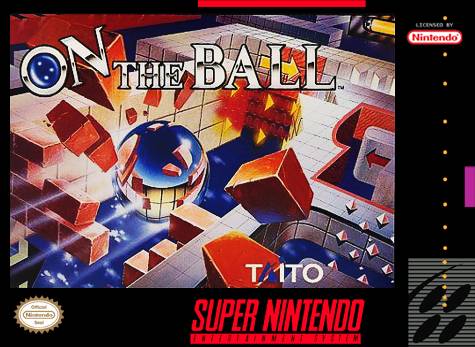
Super FamiComplete #110: On the Ball


Title: On the Ball (NA) Cameltry (JP)
Release Date: 06/26/1992
Developer: Taito
Publisher: Taito

Here we have our third Taito game for this blog, the first being Darius Twin and Hat Trick Hero being the second. The first was a schmup, the second a soccer game, and this is the bonus stage from Sonic the Hedgehog 1 apparently? 

Background

So apparently this started as a very popular Japanese arcade game known as Cameltry that was released in 1989. and hopped out of the arcade onto Japanese PC systems such as the Sharp and FM Towns. As an SNES port, the only neat factoid is that it was developed to be used with the SNES Mouse.  

Gameplay

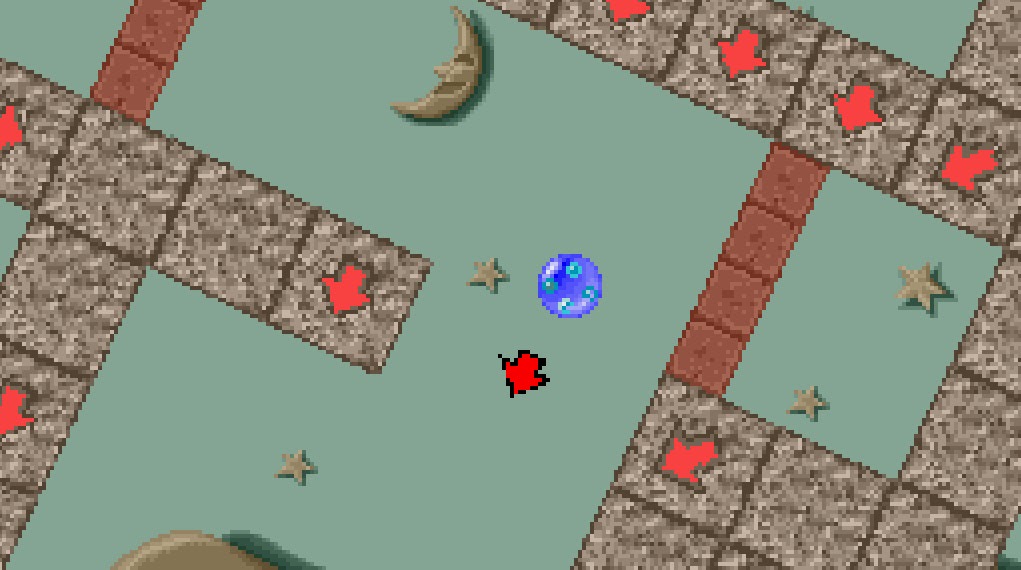
The game is very similar to the aforementioned minigame from Sonic, in which sonic starts at one side of a pinball maze and must make it to the exit while raking up as many points as possible. In this game, you play as a pinball, and the goal is similar: in a series of about 6-8 stages, make it through a series of mazes to the exit before your overall time runs out. Any time you save from the earlier stages gets banked for the later stages. 

To navigate through the stage, you control the stage itself rather than the ball. You rotate the stage around the ball, thus shifting the gravity and causing the ball to fall in the direction that you want. Due to the fact that you have no direct control over the ball, the game plays like the inverse of pinball: you aren't trying to keep a ball bouncing around the stage, but instead you want to avoid the ball touching anything so it doesn't eat up time by bouncing around. 


The game adds hazards to each stage, such as breakable walls that require you to build momentum to bash through them, and penalty bumpers which eat seconds off your overall clock. If you ever can't make it to the end of a stage before the timer runs out, the game plays a "lottery" where it will pick a lucky number for you, and if the slot machine stops on that number then you get 20 more seconds to finish the level. 

There are four different circuits that you can choose from, from a practice circuit being the easiest on up to Special circuit being "extremely difficult." The difficulty seems to come from making the stages more and more maze like, and increasing the number of breakable walls and penalty bouncers. Some of the later stages definitely feel like weaving through a pinball table, as the number of bouncers can get intense. 

My favorite part of this game is when you clear one of the rounds, and you get this wistful and sweet ending card of the ball free of the maze and at a vacation destination. The first was the ball on a cliff looking over the sea with a beautiful sunset. 

Music

Again there just isn't that much here!

Overall Verdict

Overall, this game is very slight; I beat it in about 20 minutes. It feels a bit more expensive than it should be: about 15 bucks for a loose cartridge. This feels like a mini-game stretched into a full product, and there just isn't enough here to warrant a replay much less a purchase. 

Friday, March 4, 2022

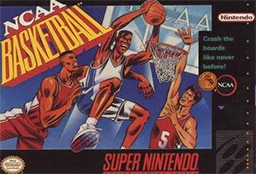
Super FamiComplete #109: NCAA Basketball


Title: NCAA Basketball (NA) Super Dunk Shot (JP)
Release Date: 06/19/1992
Developer: Sculptured Software 
Publisher: Hal (JP) Nintendo (NA)

Another sports game graces us, but this time a true basketball game, and not the weird hybrid basketball/combat game that was Bill Laimbeer's Combat Basketball. So I usually write these intro parts before I play the game itself, and in this case a few things pique my interest, or at least curiosity. First, it is published by Nintendo itself in North America, and even in Japan it was published by Hal, a longtime partner and compatriot to Nintendo. Second, I have no clue as to how popular basketball, professionally or at a collegiate level or otherwise, is in Japan. I could see the main market for this game being in North America, but Japan? Finally, look at the box art for the Super Famicom version...just look at it...what college team is the Bills? What is that rope? Plus the sheer enthusiasm for which both players are exuding. Love it. 

Background
Sculptured Software strikes back! If you remember they were the Acclaim subsidiary that also developed Jack Nicklaus golf, the really terrible port of the computer golf game where every shot had to have its details rendered in before you could even swing your club. They were one of the many "workhorses" of the SNES and Sega generation who would handle arcade ports of popular games, and quick "make a buck" sports titles. 

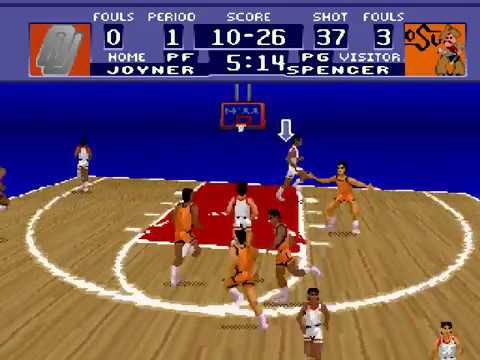
My best guess as to why Nintendo published this title is the fact that it is a game that heavily utilizes the Mode 7 features of the SNES. Each sports game from this generation makes an attempt to translate or adapt their game into a medium that you can enjoy at home, but is hampered by the limitations of the system. Some developers try to focus on making the game fun, such as NBA Jam or World League Soccer, while others try to go for veracity to the sport or at least how most people interact with a professional sport: viewing it on their television screen. This one, I will say, is unique in that presents basketball in a way that is rather unique: your camera is behind a player, and you are navigating them down a Mode 7 plane version of a basketball court. Nintendo seemed to really want to promote this game too, as they ran a feature in Nintendo Power, as well ranking it as one of their "favorite" games from 1992. Nintendo even puts a big fat "Nintendo Presents" at the front of this game. 


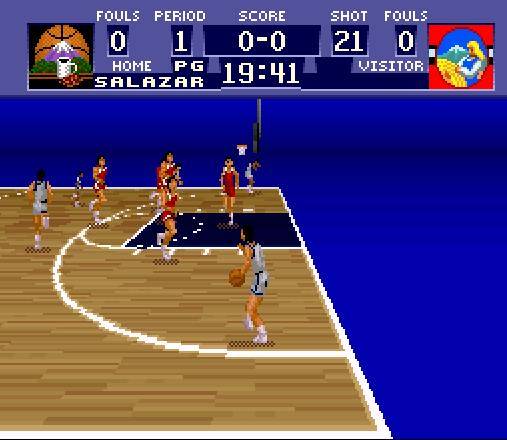
Now, as to the question of the "Bills" on the mans jersey. College basketball is something that is rather popular in the United States, and I imagine the license to create a game set in the world of NCAA basketball wouldn't be exorbitantly expensive in the 1990s. In Japan, there is a fairly popular basketball league, known as the B-League, though it flags in popularity to baseball and soccer; their interest in American college sports teams though, is rather limited. So when creating this game, and to not have to pay the expensive licensing fee for professional basketball teams, Sculptured Software decided to create their own league of American teams, much like other developers have done on this blog with some baseball games. Here is a quick rundown of the teams in the form of screenshots from the game.


There are some gems on this list: the Boston Celeries, the New Jersey Mets (if only New Jersey knew they would HATE this), the Milwaukee Backs (?!?), the Orlando Miracle (which is just a cool name honestly), and my absolute favorite which is the Phoenix Sons (I just picture a team of "Large Adult Sons"). 

Gameplay
So this is the first game that we have covered that is starting the "3D graphics" craze that would eventually grow into the next generation of consoles. This is right at the forefront as you enter the game, and you get a 3D rendered title screen with a 3D bouncing basketball.


Now upon playing the game, I can see why Nintendo put their name behind it: this is a really good looking Super Nintendo game, and easily the best looking sports game that we have seen thus far. Arguably, this is one of the most technologically impressive SNES games that we have covered in this blog, and even one of the most impressive I have seen in general. The Mode 7 rotates smoothly so that there is no quick lurching and swaying of the camera (motion sickness is a real problem with Mode 7 games where this is done poorly). All of the players are animated well and clearly, so at all times you can see what each player is trying to do: dribbling vs running vs trying to intercept a pass. While the game does chug a bit, framerate wise, it still moves at a pretty good pace, even with both sides on screen at the same time. 


Overall, this is an incredibly competent and fun basketball game to play that actually feels like a game of basketball. My only complaint, and why I remember NBA Jam much more fondly, is the fact that there isn't much pizazz to this game. Like it is a technologically impressive representation of basketball, but it isn't much more than that. Plus, staring at that blue void around the court is really depressing and reality breaking after a while. 


Music
The tradition of decent sports game music continues. 

Final Verdict
It is a really neat sports game, and the history behind it is rather neat. I am glad that this was much more of a meaty game than Super Shogi. I am happy to have this as part of my collection. 


Thursday, March 3, 2022

Super FamiComplete #108: Super Shogi


Title: Super Shogi
Release Date: 6/10/1992
Developer: I'Max
Publisher: I'Max

Another Shogi game! If you would like to learn more about the game of Shogi itself, please read the previous post on Shodan Morita Shogi. It is a pretty amateur explanation of the game, but certainly better than a newcomers understanding of this Japanese take on chess.

Background
This game really doesn't have too much written about it. It is only available in Japan for the Super Famicom, which makes sense since shogi is really only popular in Japan. I'max is a really small publisher from the 90s who developed mainly for Sega platforms; they had a development team known as Betop, but I don't recognize any other titles that they made. 

This game does have two sequels for it on the Super Famicom, which seem to add more "pizazz" to the gameplay, but it is still just shogi in a pretty package. 

Gameplay
This game is very barebones for a representation of Shogi; it reminds me a great deal of Chessmaster but without that epic music theme. Honestly, I prefer Shodan Morita Shogi. 

Verdict
This game is little posted about. I couldn't even find a ROM online to play, but did find a youtube video to watch. So this sadly is a shorty-boy post. I vote we forget about this one like the world already has done. 


Friday, February 18, 2022

Super FamiComplete #107: Street Fighter II


Title: Street Fighter II
Release Date: 6/10/1992
Developer: Capcom
Publisher: Capcom

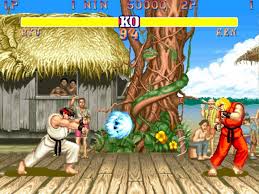
We have made it to June 1992, and thank goodness we start off with an absolute banger; enjoy it too, because the rest of this month is going to be a bit of a slog with some sports games and another Shogi game. Here we have the entry of a Capcom franchise that launched a whole genre into popularity; while certainly not the first fighting game (I mean it is a sequel to one after all), but it certainly is the game that strongly cemented key points of the fighting genre. To be clear, this game is a port of the popular arcade game, but a pretty good port at that!

Background
The fighting game genre had existed for a bit before this game but was still relatively in its infancy. Games before SFII had two different characters squaring off, the diminishing lifebars, and the first Street Fighter had introduced the concept of special moves. Street Fighter II would introduce quite a bit: multiple playable characters (with different fighting styles and backgrounds), rudimentary combos, bright and aesthetically pleasing environments, and a really great soundtrack composed by Yoko Shimomura. 

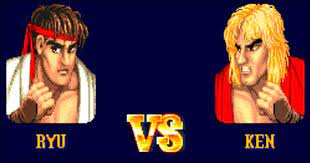
The first game was released in 1987, and was a game where you controlled Ryu only (Ryu and Ken in two player). You did the typical fight around the world style gameplay, ending with a duel against the master of Muay Thai himself, Sagat. This final confrontation sets up the rivalry between the two, as Ryu gives Sagat his wicked chest scar at the end of the game. The first game is very clunky (no combos afterall), and wouldn't let you play as any of its other characters; aside from Ryu and Ken, the only other characters I recognize from later entries are Sagat and Birdie. 

This first game didn't perform very well, but they noticed that the version of the arcade cabinet that used the six button fighting game format (weak, medium, and strong punches and kicks) performed much better in sales at arcades. Capcom executives realized that there was an idea for a good game buried in here, and with the popularity of Final Fight, realized that there could be an appetite for this "fighting" genre, especially in the United States. Development for the game took about 2 years and several million dollars, with a team of 40 people working on it; that is a pretty staggering amount of time, money, and people for a product back then, but the polish and effort shows in the arcade release. I have a personal opinion that Capcom knew they were onto something big when developing this.

Quality sprites and animation was a big selling point of this game; backed by the CPS-1 hardware; there are wonderfully animated and busy background scrawls to each stage, characters with varied and clear animation to their various movements (readability is a huge part of the fighting genre), and all of this in a distinct and cohesive visual aesthetic. It is clear why these original eight characters have popped up in almost every entry past this one; their designs are iconic for a reason. 

The Roster


Ryu- The main character of the series and hailing from Japan. He is a wandering martial artist who lives on the road and seeks to improve his skills. He is practices karate and is arguably the easiest character to pick up and use. His moveset is versatile and he is great at zoning opponents and blocking air attacks. His arena is the top of a pagoda castle at twilight. 


Ken- He is a sprite swap of Ryu and has some minor differences that have become more distinct as more entries in the series have come about. He hails from the United State, and is a longtime best friend and friendly rival of Ryu, having practiced under the same master. 


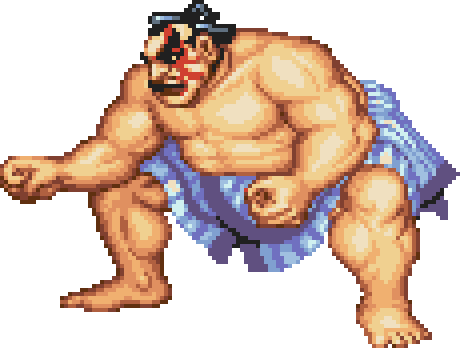
E.Honda- Edmond Honda is a sumo from Japan, and my personal favorite character in the series. He is a slower character who is strongest when he can bully and push the opponent. He has a fun "thousand slap" attack and can launch himself across the screen, similar to Raiden in Mortal Kombat. His arena is a really fun Japanese bathhouse. 


Blanka- hailing from Brazil, Blanka is a green skin red haired monster man who was experimented on by Shadaloo. This has given him apeman like mobility and strength, as well as the ability to generate electricity and shock opponents. He is a fun character to pick-up, and is relatively well balanced. 


Guile- Guile is a air force soldier from the US who has an amazing flat top and a personal grudge against M.Bison for killing his compatriots. My brother was pretty amazing with Guile, who's anti-air spin kick and sonic boom attack made him pretty lethal. You fight him on an airforce base, and his theme is lowkey the best.


Chun-Li- Hailing from China, Chun-li is the only female fighter who has lethal legs for days. You fight her in a Chinese marketplace, and is arguably one of the most iconic characters aside Ken and Ryu. I am pretty terrible at fighting Chun-Li, but to be fair I am pretty terrible at this game in general.


Zangief- The Russian bear! A musclebound Russian soldier who is an expert grappler and wrestler (and who has become a gay gaming icon, though this has never been confirmed). Zangief functions as a tank who eats damage to be able to lay his meaty hands upon his opponent, whereupon he will atomic head-drop his opponent into oblivion. You fight him in a Russian spark factory. 


Dhalsim- the man who has turned Yoga into a martial art, this Indian guru has stretchable limbs, teleportation abilities, and can breath fire. He is a really fun character who is really slow. You fight him in this really cool palace interior with white elephants all around.

The game also has four CPU boss characters that you only get to play as in later entries in this series (oh yeah there are like four SNES Street Fighter IIs).


Balrog- a boxer from the US who is modeled after Mike Tyson. He hits brutally hard and is lethal if you let him get close. You fight him on the Vegas strip. 


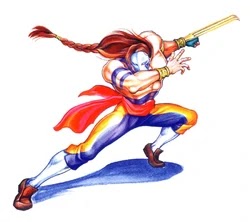
Vega- a masked assassin with a Wolverine claw on one hand. You fight him in Spain in an underground fight club. Vega can climb on the walls, is super fast, and can unleash combos quite easily. He is a wall for many early players.


Sagat- Ryu's rival returns! A Muay Thai master whom you fight in Thailand. He is super tall, hits hard, and has incredible reach. A pretty fun design and a tough fight.


M.Bison- a bulky man in a military outfit, and the head of Shadaloo. You fight him in a temple. He has some mystical power known as the "psycho power" which allows him to shoot across the stage and fire energy. He is really fast and unrelenting in his attacks, appropriate for a final boss. 

Gameplay

The game starts with you picking your fighter. Your fighter then globe trots around the world to fight with the other characters in the roster; the presentation it must be noted, is really top-notch with your plane flying from your character's homeland to their opponents. Once you have defeated the other seven characters, you then fight the four boss characters. Once you beat them, you get your character's short but sweet ending. 

The battles themselves are stock standard for what we know now as a fighting game: you have to win two out of three rounds by wiping out your opponents lifebar, and must do this in 99 seconds. The fights are on a 2D plane, where your fighters can only move forward and back. You can attack with a weak punch, hard punch, weak kick, hard kick, and grab attacks, as well as special moves that require combinations of movement and button presses. While it wasn't intentional in the original design of the game, these attacks can be linked together in order to make combos, or uninterrupted strings of attacks that deal heavy amounts of damage. Now you can also block attacks, so the balance of finding openings in your opponents guard, as well as timing your blocks, is key to winning battles. 


The game has the car busting mini-game where you must demolish the car in a set amount of time from Final Fight about halfway through the campaign. A welcome diversion halfway through the game. 

Even now, the game is really playable, if much slower than what most fighting games, even Street Fighter games, are nowadays. Further iterations of this game do add to the roster of characters, as well as make the game much faster to play. I would say the biggest drawback of this game is that it is missing some of these fun bells and whistles: no rage mode, counters, super attacks, tag team, or really anything to spice it up. This was before all of those fighting game innovations. Still, it's pretty darn fun, and the presentation is gorgeous for an SNES game. 


Music

The music in this game is quite awesome. 


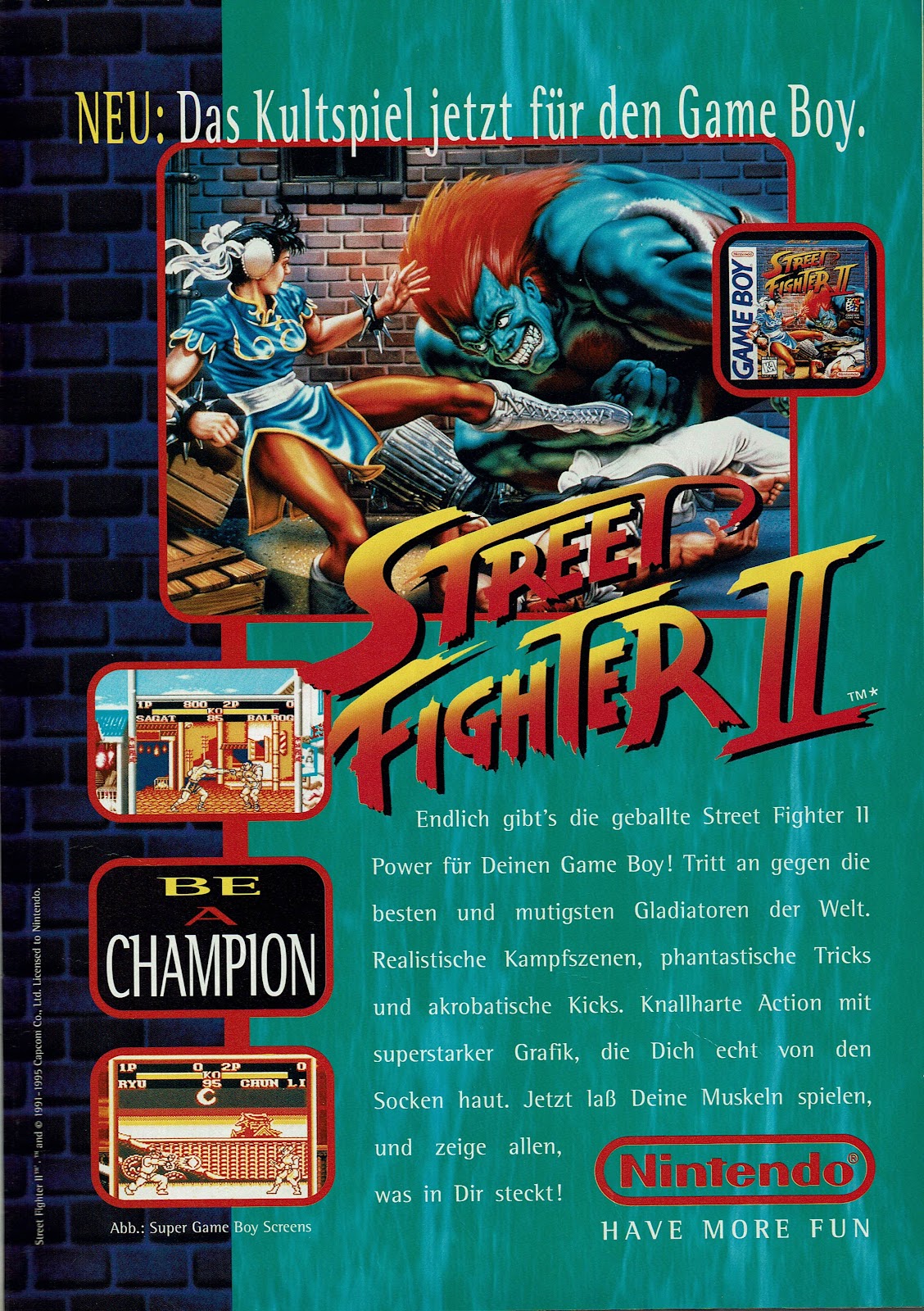
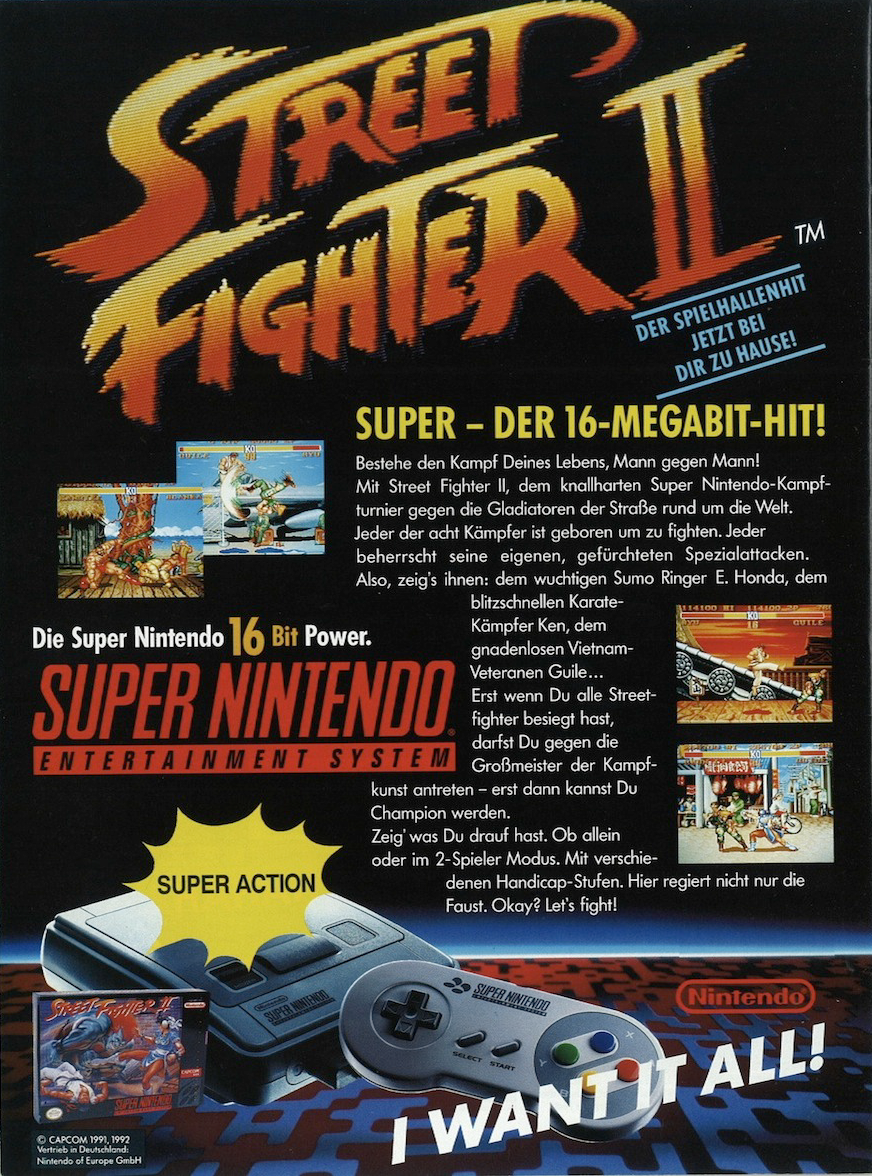
Art, Ads


Final Verdict

I mean, was there any chance that this game wouldn't be a strong recommendation? Are there better versions of this same game? Yes, but it is still pretty darn good. I highly recommend picking this one up!


#127: Pachinko Wars

  Title: Pachinko Wars Release Date: 7/17/1992 Developer: OeRSTED Publisher: Coconuts Japan It is finally time for the ever popular gambling...